How Behavioral Analytics Shape Entry-Level Rewards in Smartphone Casino Apps
Written by Henrik Schröder · Jun 8, 2026
How Behavioral Analytics Shape Entry-Level Rewards in Smartphone Casino Apps
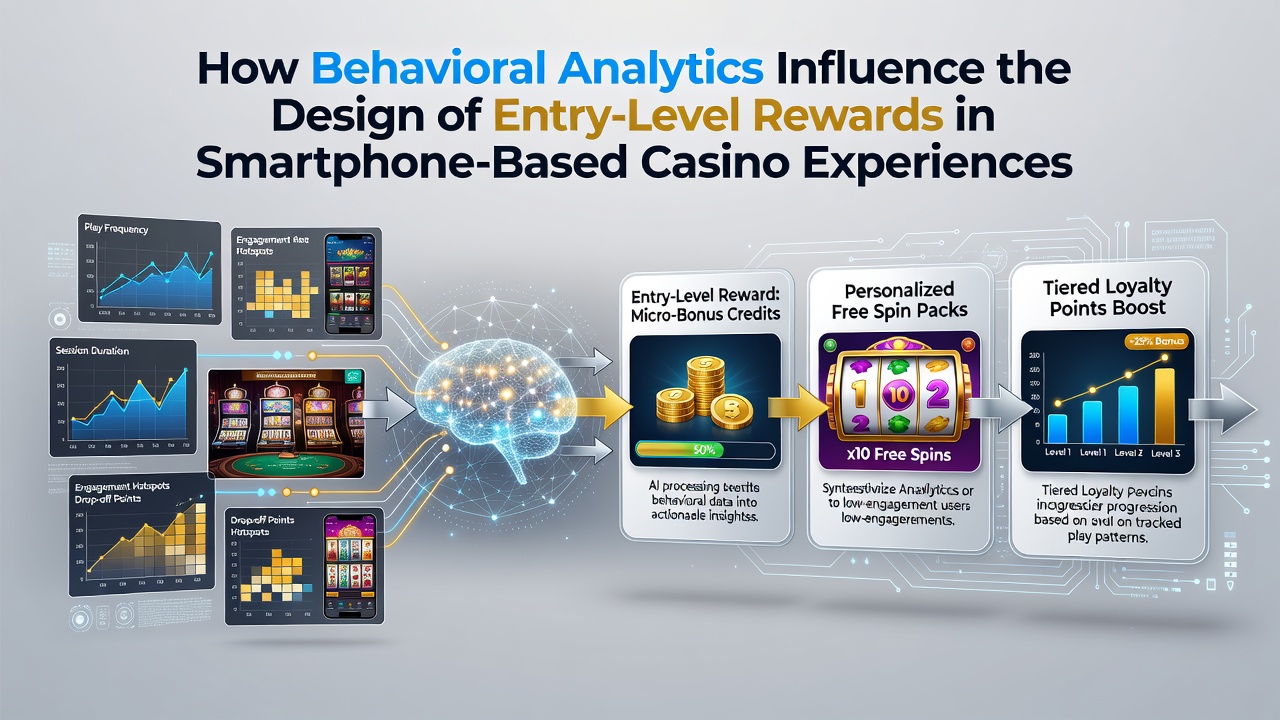
Smartphone-based casino platforms rely on behavioral analytics to tailor entry-level rewards such as welcome bonuses, free spins, and initial deposit matches, and these systems draw from player interaction data collected across sessions. Operators track metrics including session duration, game selection patterns, and deposit frequency to adjust reward parameters that match observed behaviors rather than applying uniform offers to all new accounts.
Data Collection Practices in Mobile Casino Environments
Behavioral analytics platforms capture granular details from user actions within apps, and these include swipe patterns, time spent on specific slots or table games, and responses to in-app notifications. Data aggregation occurs through integrated software that processes information in real time, which allows designers to segment new users into groups based on engagement velocity and preferred game categories. Research indicates that such segmentation leads to reward structures where high-frequency players receive accelerated free spin allocations while slower adopters encounter extended match deposit periods.
What's interesting is how location data and device type further refine these models, since users on certain operating systems demonstrate distinct navigation habits that influence bonus visibility. Industry reports from the American Gaming Association highlight that mobile operators in regulated markets have expanded their data pipelines since 2024 to incorporate cross-session tracking, and this expansion supports more precise calibration of introductory incentives.
Customization of Reward Parameters Through Analytics
Entry-level rewards undergo iterative adjustments when analytics reveal correlations between specific offer types and early retention rates, and designers modify wager requirements, expiration windows, and eligible game lists accordingly. For instance, players who initiate sessions during evening hours often encounter time-sensitive free spin bundles, whereas daytime users receive deposit match percentages scaled to average transaction sizes observed in their cohort. These modifications stem from machine learning models that process historical datasets and project likely conversion paths for incoming users.
Turns out the process extends to A/B testing frameworks embedded in app updates, where variant reward presentations run simultaneously across user segments, and performance metrics determine which configuration advances to wider deployment. Observers note that this testing cycle operates continuously, which enables platforms to respond to shifts in player behavior within weeks rather than months.
Integration With Retention Metrics and Regulatory Updates
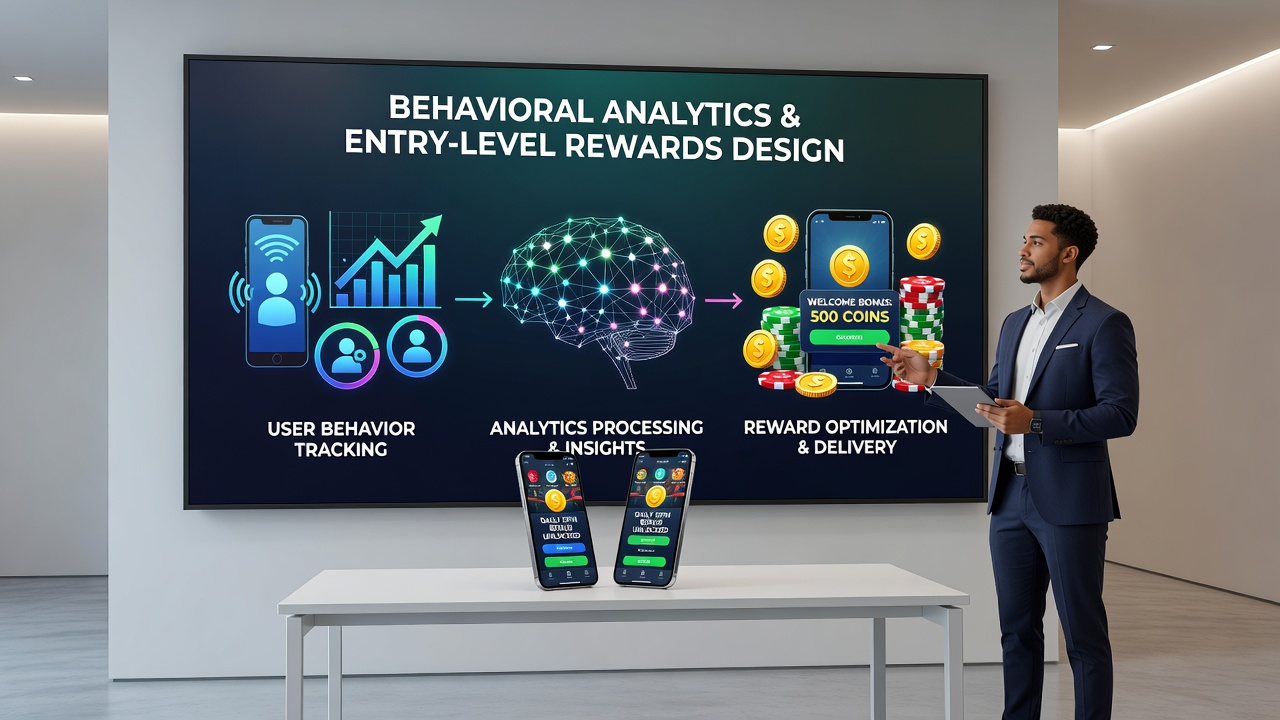
Analytics influence extends beyond initial acquisition because reward design incorporates projected lifetime value calculations derived from early interaction signals, and operators allocate larger introductory packages to segments showing rapid progression toward repeated deposits. As of June 2026, several U.S. state regulators have issued revised reporting standards that require disclosure of how behavioral data informs bonus eligibility, which has prompted platforms to document their segmentation logic more explicitly in compliance filings. Canadian provincial oversight bodies have adopted similar transparency measures around the same period, creating parallel expectations for operators serving cross-border users.
Those who've examined platform architectures report that predictive models now flag potential churn indicators within the first three sessions, and reward triggers activate automatically to counteract those signals through targeted free play credits. This mechanism operates without manual intervention once thresholds are set, and it relies on continuous data streams from in-app events rather than periodic batch processing.
Regional Variations in Analytics Application
European operators incorporate additional layers of responsible gaming filters into their analytics pipelines, which adjust reward intensity based on detected play velocity to align with jurisdiction-specific harm minimization protocols. Australian research institutions have published findings on how mobile session clustering affects bonus structuring, and these studies emphasize differences in reward uptake between urban and regional user bases. The resulting designs often feature staggered release schedules for free spins that correspond to verified behavioral clusters rather than blanket availability.
Yet implementation remains consistent in one respect: entry-level rewards function as calibration tools that test player response curves before larger incentives activate. Data shows that platforms using these methods achieve measurable differences in day-one retention compared with static bonus models, although the exact percentages vary by market and game mix.
Conclusion
Behavioral analytics continue to drive refinements in how smartphone casino operators structure entry-level rewards, and the feedback loops between data collection, segmentation, and offer deployment have grown tighter through successive platform iterations. Regulatory developments through mid-2026 have added documentation requirements that make these processes more transparent to oversight agencies while preserving the core data-driven methodology. Observers expect further integration of real-time modeling as device capabilities and data privacy frameworks evolve in parallel.